If you have a historical residential property, you'll want to find the warning signs before tiny concerns end up being significant loss. Look for sagging floorings, big cracks in bearing walls, sticking doors or moving stonework, and prevalent product decay like rot or collapsing mortar. Some troubles are reparable with easy maintenance, however others need a preservation-trained professional to identify and protect the initial textile-- right here's how to inform which is which.Signs of Structural Damages You Shouldn't Neglect When you detect sagging floors, large cracks in load-bearing walls, or windows and doors that instantly stick, do not dismiss them as quirks-- they're usually early indications of structural damage that need fast attention.You'll desire a timely forensic investigation to determine causes, whether structure settlement, rot, or concealed water.Note changes to the facade and roofline, and record shifting stonework near original cornices or Broad Street storefronts.Preservation-minded owners equilibrium architecture and safety and security, speaking with professionals knowledgeable about landmarks and New York Landmarks Conservancy standards.Early intervention limitations loss, preserves character, and motivates innovation out of commission approaches that respect a landmark's historical fabric.Don't delay-- tiny issues become pricey failings if ignored.When Original Materials Are Failing If initial materials are stopping working, act rapidly to analyze which elements you can conserve and which need careful replacement.
Walk the building methodically: inspect timber for rot, steel for deterioration, and stonework for collapsing mortar or spalling.Look for paint blistering, distorted trim, loose floor tiles, and stopping working joinery-- these are obvious early signs. Test tiny areas where finishes raise or substrates soften; note moisture resources before picking repair.Salvage undamaged historic textile whenever feasible, documenting patterns, profiles, and finishes to match replacements.
When replacement is inevitable, pick products and techniques that visually and physically complement the original.Keep records of interventions so future guardians recognize what was preserved, what was replaced, and why you chose those methods.Problems That Require Historic Conservation Proficiency Identifying troubles that demand historical preservation know-how starts with confessing the limits of DIY fixes: complex structural failures, hidden water damages, wearing away historical surfaces, or original systems that influence a building's integrity need a specialist's assessment.You must call a conservator or conservation professional when you find moving foundations, bowed walls, comprehensive rot in load-bearing participants, or persisting moisture regardless of visible repairs.Bring in experts for historical plaster collapse, falling short decorative
woodworking, or paint and coating loss that get rid of character-defining fabric.Original mechanical, electric, or pipes systems that pose security risks or threaten fabric call for certified evaluation.Specialists record problems, suggest therapies that appreciate value, and coordinate approvals or materials matching. That safeguards worth
and prevents permanent loss.Situations Where do it yourself Repair works Can Create Damage Though tackling little repair services really feels equipping, do it yourself work can quickly worsen problems or remove historical material if you don't recognize what you're doing.You could strip initial paint that protects underlying wood, eliminate historic plaster to mount modern drywall, or patch masonry with inappropriate mortar that traps dampness and accelerates decay.You can unwittingly hide rot, falling short to attend to architectural causes, or set up improper fasteners that divided antique timber.Electrical or plumbing tweaks can compromise security and bring about hidden water damage.Even well-meaning cleaning with harsh chemicals can erode finishes and attractive details.When repairs change materials, accounts, or setting up methods, you run the risk of losing personality and producing larger, costlier issues that require expert intervention.How to Choose the Right Restoration Expert Because picking the appropriate reconstruction professional will figure out exactly how well your historic home survives the next decades, begin by focusing on experience with historical products and techniques over the most affordable quote. Inspect credentials: request preservation certifications, insurance coverage, and recommendations from comparable projects.Review portfolios for before-and-after photos that reveal patched mortar, period
woodwork, and suitable surfaces. Ask for a written extent, timeline, and products list so you can compare propositions objectively.Ask just how they record existing conditions and whether they consult conservators or architectural engineers when needed.
Check out present work websites to observe handiwork and cleanup.Get a clear service warranty and change-order process
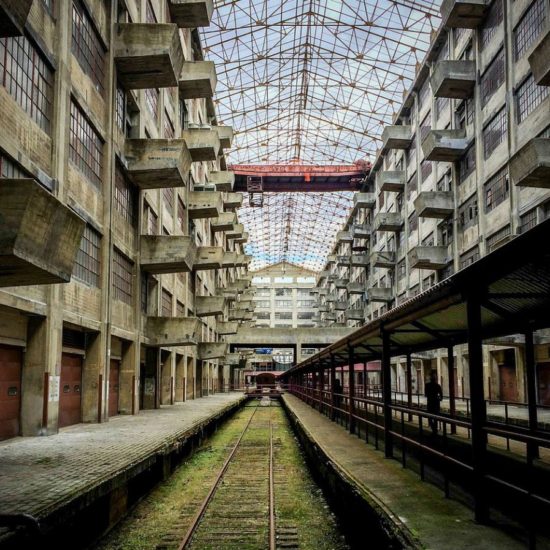
. If something really feels off, obtain a consultation-- your patience currently protects against expensive hensonarchitect.com best architecture companies mistakes later.Conclusion If you identify drooping floorings, big cracks, sticking doors or changing masonry, do
n't wait-- these are indications your historical building needs expert assistance. When original materials are falling short, wetness is concealed, or repair risks damaging historical material, work with preservation-trained specialists or conservators who'll detect causes, file problems, and recommend suitable fixes. Avoid do it yourself shortcuts that can intensify damages. Select a person experienced in historic remediation to shield both safety and heritage.
Name: Henson Architecture
Address: 27 W 20th St #1201, New York, NY 10011
Phone: (212) 995-2464
Website: https://www.hensonarchitect.com/